Understanding SEO: Key Components and Strategies
Search Engine Optimization (SEO) is essential for enhancing a website's visibility on search engines. It encompasses various strategies, including keyword research, on-page optimization, and link building, all aimed at attracting organic traffic.
Effective SEO involves understanding user intent and optimizing content accordingly. For instance, using long-tail keywords can help target specific queries, while creating high-quality backlinks from reputable sites can significantly improve a site's authority and ranking.
The Role of Content Marketing in SEO Success
Content marketing plays a crucial role in SEO by providing valuable information that meets the needs of users. Engaging and informative content not only attracts visitors but also encourages them to share and link back to your site, further enhancing its authority.
For example, businesses that regularly publish blog posts, infographics, and videos often see an increase in organic traffic. This strategy not only boosts SEO but also establishes the brand as an industry leader, fostering trust among potential customers.
Local SEO: Strategies for Targeting Your Community
Local SEO focuses on optimizing your online presence to attract more business from relevant local searches. It involves tactics such as optimizing your Google My Business profile and ensuring your business information is consistent across online directories.
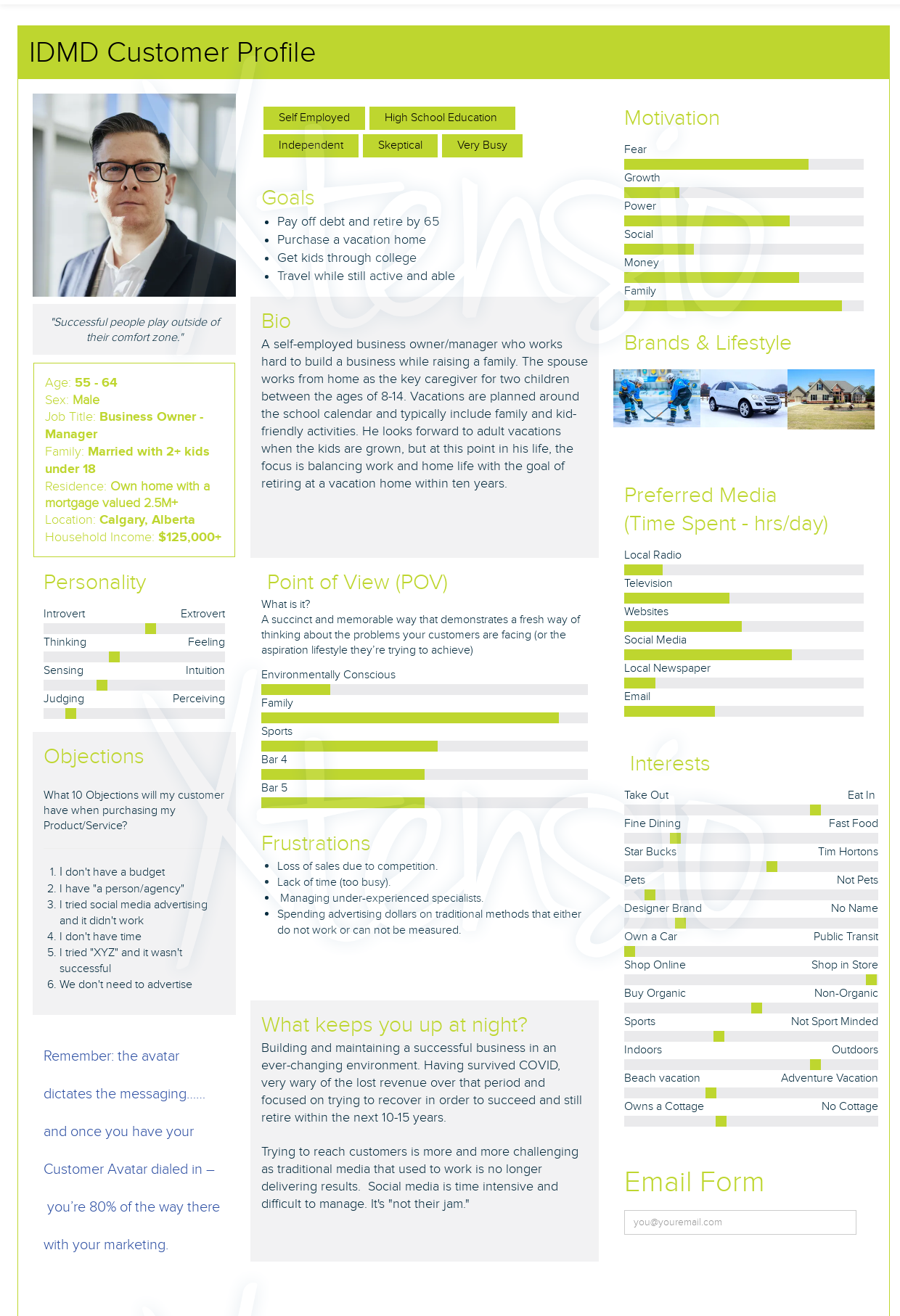
By utilizing local keywords and creating location-specific content, businesses can enhance their visibility in local search results. For instance, a Calgary-based business can benefit from targeting phrases like "best SEO services in Calgary" to connect with local customers effectively.
Measuring SEO Success: Key Metrics to Track
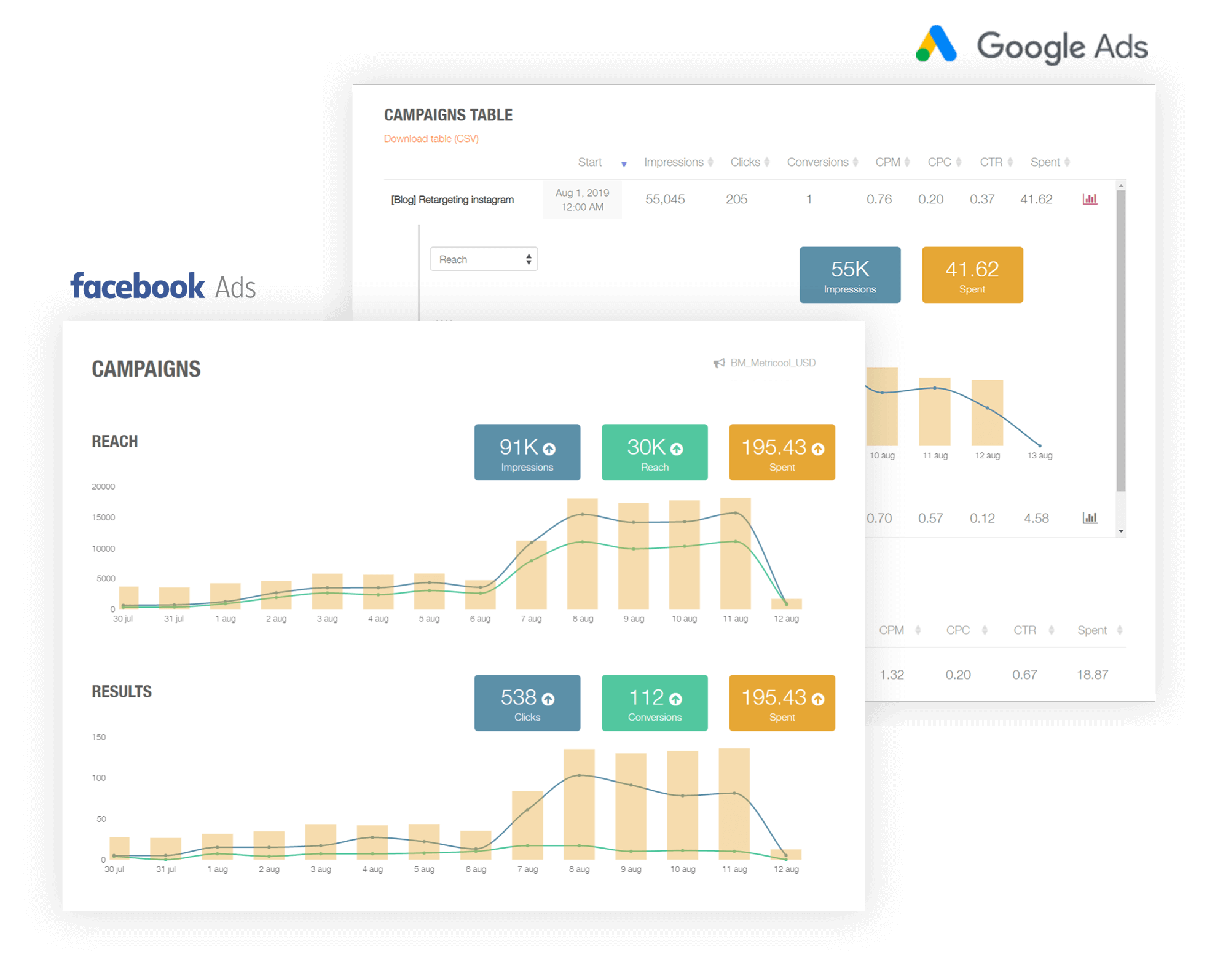
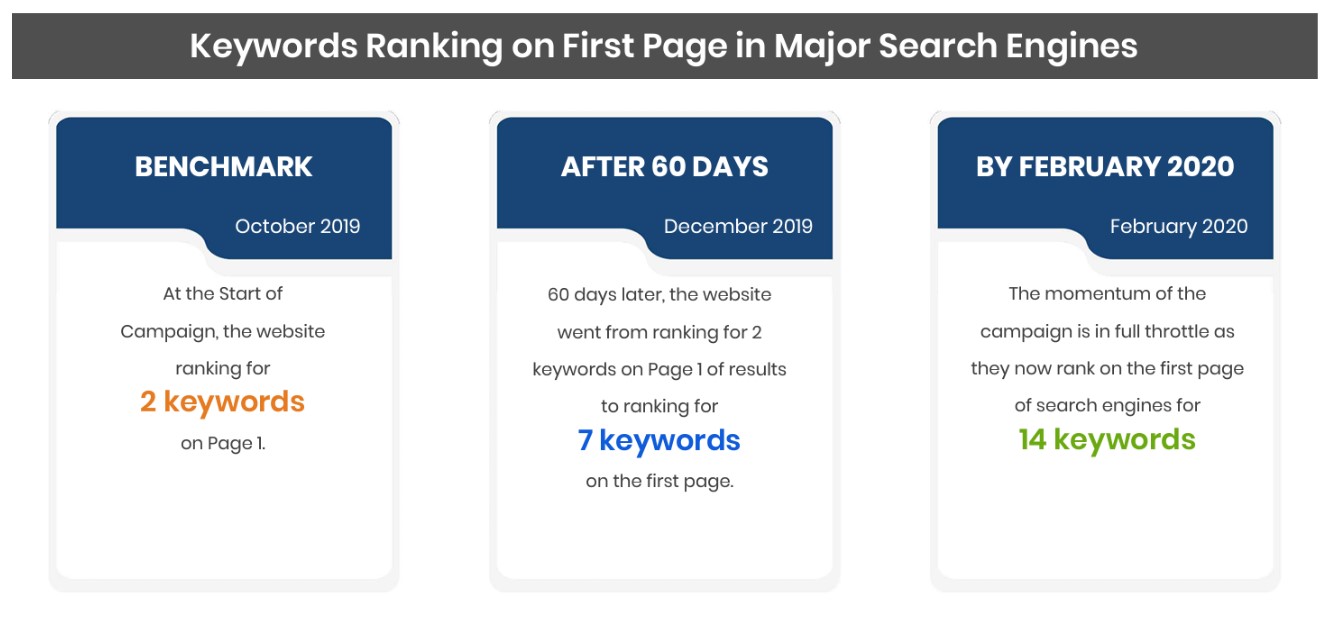
Tracking SEO performance is vital for understanding the effectiveness of your strategies. Key metrics include organic traffic, bounce rate, conversion rate, and keyword rankings, which provide insights into how well your SEO efforts are working.
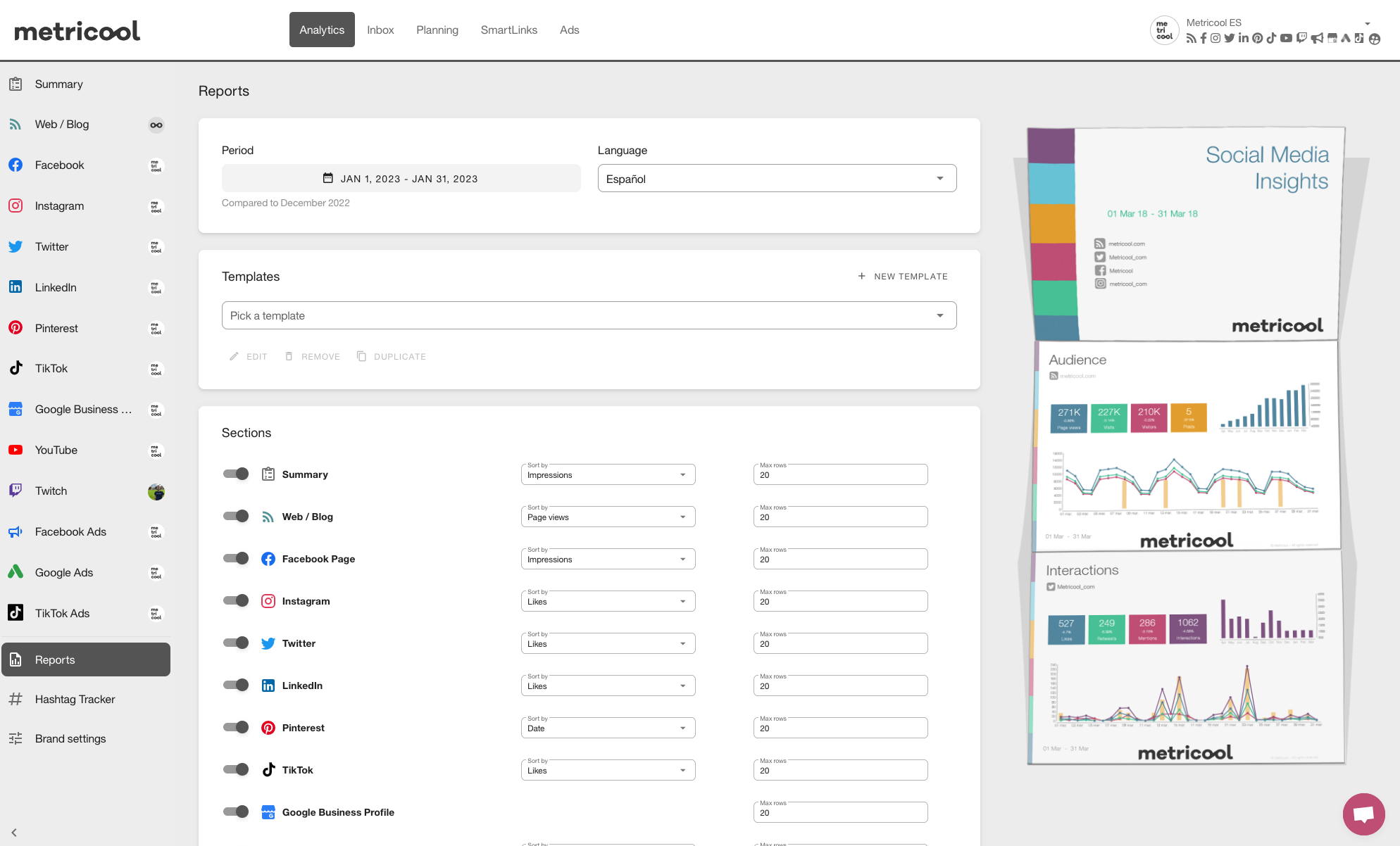
Using tools like Google Analytics and Search Console, businesses can monitor these metrics and make data-driven decisions. For example, if a particular keyword is driving significant traffic but has a high bounce rate, it may indicate a need for content optimization to better align with user expectations.